
Your client sits down for a review meeting and pulls out their phone.
“I asked ChatGPT about retirement withdrawals. Why aren’t we doing what it suggested?”
It might be a question about covered calls, a Roth conversion or an investment strategy they have never mentioned before. Whatever the topic, your response can shape the rest of the conversation.
When clients bring ChatGPT financial advice into a meeting, start by welcoming the question. Explore what they asked, check the answer’s assumptions and connect the idea to their financial plan. That gives you a chance to demonstrate your value while keeping the conversation collaborative.
At Getting Results Inc. (GRI), we use a simple framework for these moments: accept, blend, explore.
Why clients are bringing ChatGPT into financial conversations
On a recent GRI coaches’ call, several advisors described the same experience: clients were arriving with chatbot answers and asking why those strategies were not already part of their plans.
One advisor described it as clients starting to think like “mini portfolio managers”.
For an advisor, that can feel uncomfortable. You know how much context sits behind each recommendation. A confident answer on a screen can make a complicated decision look straightforward.
But a client’s question can also reveal something useful. They may be worried about running out of money, wondering whether they are missing an opportunity or looking for more control over their future.
Before discussing the strategy, find out what prompted the search.
Start with curiosity
The instinct to defend your advice is understandable.
You might want to explain immediately why the chatbot missed something or why the suggested strategy does not fit. But if your opening response makes the client feel dismissed, they may spend the rest of the meeting defending the answer they brought in.
Try this instead:
“Great question. I’m glad you brought it in. What interested you about that idea?”
You have welcomed the conversation without endorsing the recommendation. Now you can understand what matters to the client.
Use the accept, blend, explore framework
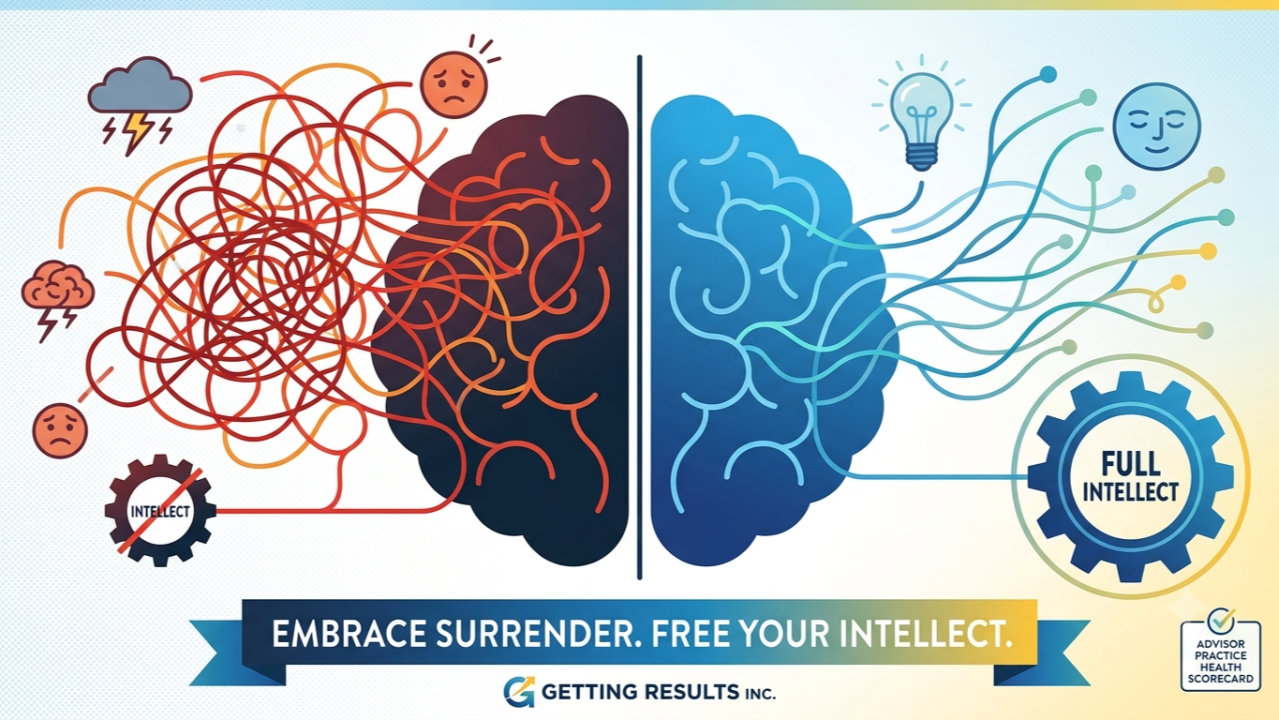
The framework draws on a martial arts principle: work with incoming energy and guide its direction. In a client meeting, that means making room for curiosity while bringing professional judgement to the discussion.
1. Accept the inquiry
Acknowledge that the question deserves attention.
“I’m glad you’re thinking about this. Let’s take a look.”
Accepting the inquiry does not mean agreeing with the answer. It shows the client that they can bring questions to you openly.
2. Blend with their curiosity
Discover what they hope the strategy will achieve.
“Is the appeal here more retirement income, a lower tax bill or feeling more confident about your options?”
The answer helps you move from a general strategy to a specific concern. It may also uncover a priority that has changed since your last meeting.
3. Explore the answer together
Ask to see the original prompt and response.
“What information did you give it, and what assumptions is it making?”
Then work through the suggestion in the context of the client’s circumstances. Explain what appears relevant, what needs checking and what additional information would affect the decision.
The client gets to participate in the reasoning behind your advice.
Bring the client’s actual life into the answer
ChatGPT can explain financial concepts and help people generate questions. Its responses also depend on the information provided, and important details may be missing or inaccurate.
Your role is to connect an idea to the person considering it.
That might mean looking at their account types, income needs, tax circumstances, family commitments or comfort with uncertainty. It also means remembering the concerns they have shared with you over time.
On our coaches’ call, one advisor described a client who had asked ChatGPT how much she could safely withdraw in retirement. The response sounded confident, but it did not account for her mix of brokerage and IRA accounts. She had never included that information.
Another advisor described taking on a client who had converted an entire IRA to a Roth after watching a social media video. The client had not anticipated the resulting tax bill.
These stories highlight why the conversation matters. An explanation of a strategy is only the beginning. The next step is assessing whether, when and how it fits a particular person’s plan.
Questions to ask when a client brings AI advice
You do not need a lengthy script. A few thoughtful questions can make the discussion more productive:
- What were you hoping to find out? Identify the concern behind the search.
- Can we look at the question and answer together? Understand the context before responding.
- What information did you include? Spot details the answer may have missed.
- What appeals to you about this approach? Learn which outcome matters most.
- How would this support your existing goals? Bring the discussion back to the plan.
If something needs further analysis, say so. Agree on what you will review and when you will follow up.
Make AI questions part of your review meetings
One advisor we work with invites clients to explore AI ideas together. That small shift creates a useful opening:
“If you find an idea through ChatGPT that interests you, bring it to our next meeting. We can look at how it applies to your situation.”
You can also make this a regular review question:
“Have you read, watched or asked AI anything that you’d like us to discuss?”
Giving clients that space helps you understand what is influencing their thinking. It also creates an opportunity to examine an idea before they act on it.
Turn information into a useful next step
At GRI, we discuss the progression from awareness to education to action.
A client arriving with a chatbot answer has already become aware of an idea. Your role is to help them understand its relevance, examine the trade-offs and decide on an appropriate next step.
That might mean investigating the strategy further, adjusting the plan or explaining why the current approach still supports their goals.
For a broader discussion of how AI may change the profession, read Will AI Replace Financial Advisors?.
The next time a client says, “ChatGPT told me…”, treat it as an invitation to learn more about what they are thinking. Welcome the question, explore it together and bring their circumstances into the conversation.
That is an opportunity to deepen trust.
Want to strengthen your client conversations? Explore financial advisor coaching with Getting Results and develop the communication skills and business practices that support stronger relationships.